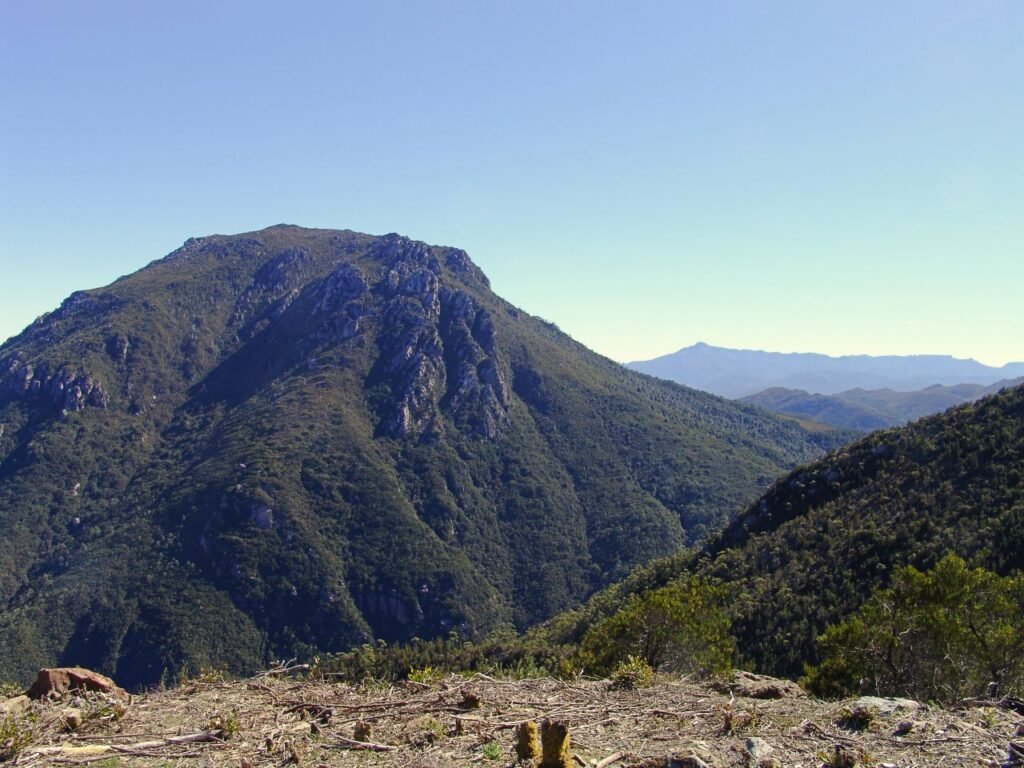
Sub-Collection: Tasmanian postmarks with a mining or mineral connection.
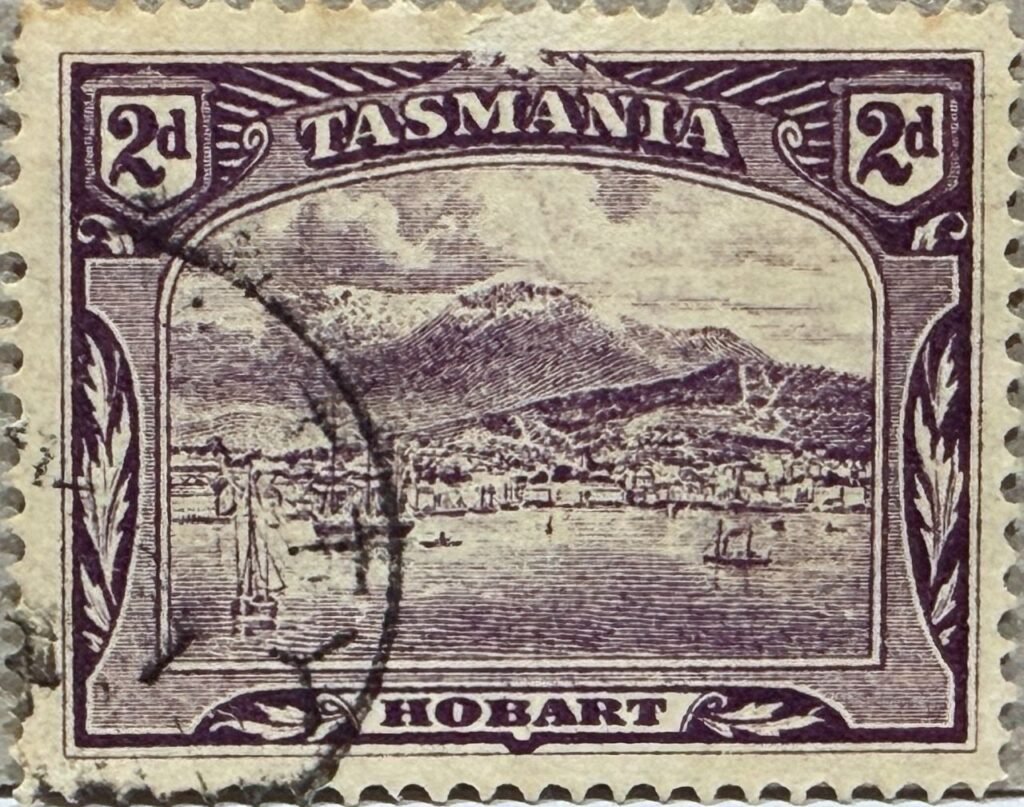
This purple‑shade 2d Hobart Pictorial, cancelled Crotty in the early 1900s, is part of Tasmania’s celebrated Pictorial series of 1899–1912 — engraved scenic definitives that helped define early Australian philately. While the stamp depicts Hobart’s waterfront, its true significance lies in the Crotty postmark. Crotty was a short‑lived mining settlement tied directly to the Mount Lyell copper story, abandoned by 1914 and later submerged beneath Lake Burbury. Any legible Crotty cancellation is scarce, making this a standout locality entry in my Mining and Mineral Postmarks collection.
Stamp Details
Country: Tasmania (pre‑Federation issue)
Series: Pictorials (1899–1912)
Denomination: 2d
Subject: Hobart waterfront
Colour: Purple / Violet
Year of Issue: 1899
The 2d Hobart Pictorial was widely used for domestic mail, but Crotty strikes are genuinely uncommon due to the short life of the Post Office. Crotty Post Office operated from 1902 to 1914, serving a mining settlement that existed solely to support Mount Lyell operations. The cancellation on this example is partial but identifiable — an important factor given the rarity of Crotty postal material. Multiple colour shades exist for the 2d value, and this example is a deeper purple typical of mid‑period printings. Crotty postal history is highly sought after due to the locality’s disappearance beneath Lake Burbury after the construction of the King River hydro scheme.
Crotty
Crotty was a purpose‑built mining settlement established to support the Mount Lyell copper operations in western Tasmania. Named after James Crotty, one of the founders of the Mount Lyell Mining and Railway Company, the town grew rapidly in the early 1900s but declined just as quickly when the company consolidated operations at Queenstown. The Crotty Post Office, open from 1902 to 1914, served miners and railway workers during this brief period. The site was later inundated by Lake Burbury, leaving no physical trace of the town. Today, Crotty survives only through archival records, mining history, and rare postal artefacts like this 2d Pictorial.